L-Citrulline & L-Arginine: What The Research Actually Shows
L-Citrulline and L-Arginine are two of the more evidence-backed amino acids in the sports-nutrition and cardiovascular-support space, both tied to nitric oxide production.
Here is what the research actually shows, and where the evidence is stronger or weaker.
The nitric oxide connection
Nitric oxide (NO) is a molecule your body produces to relax and widen blood vessels — a process called vasodilation. Both L-Citrulline and L-Arginine feed into this pathway, which is why they're common in pre-workout and cardiovascular-support products.
What modern research suggests
What this means for a combined formula
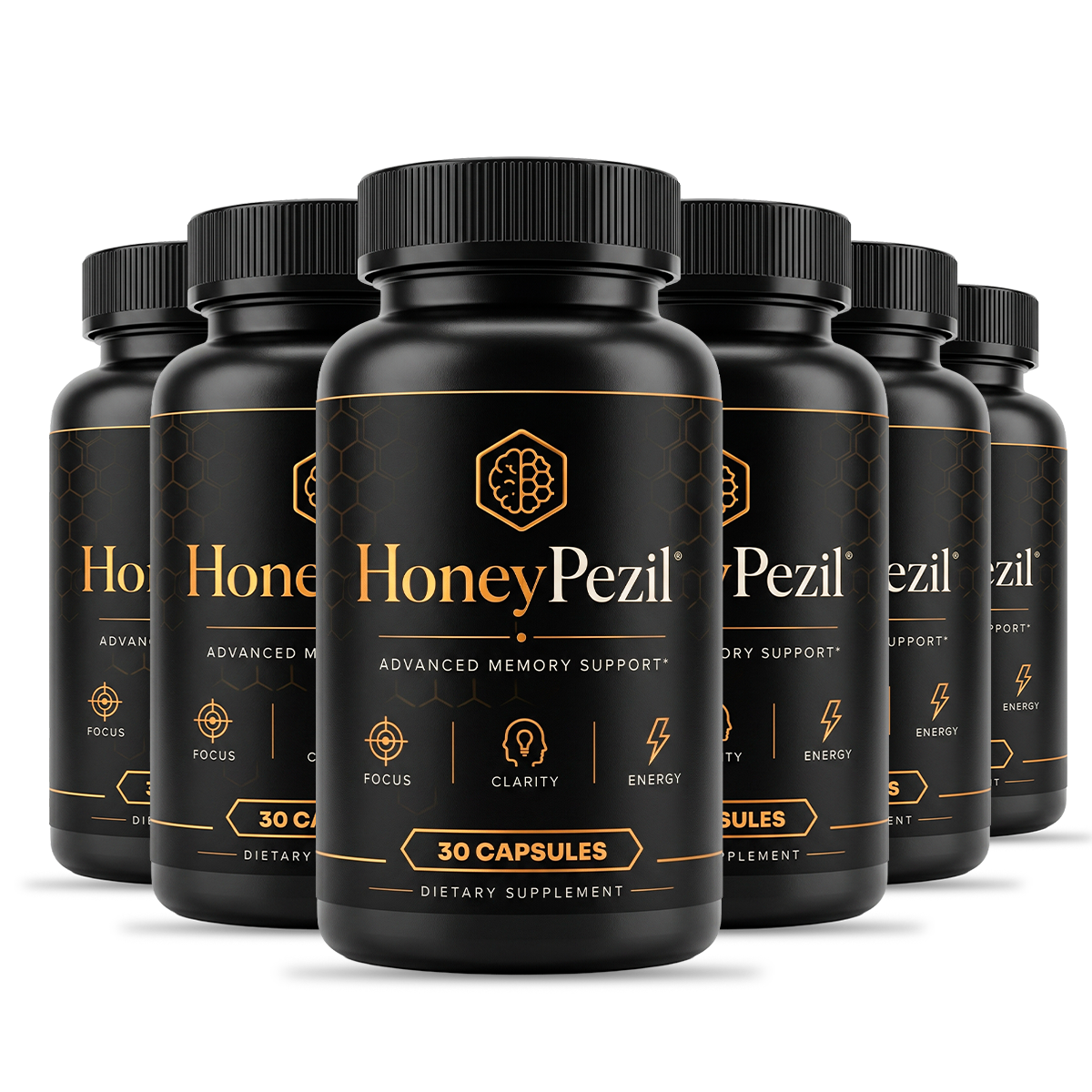
Using both together, as HoneyPezil does, is a common approach: L-Citrulline for sustained conversion, plus direct L-Arginine for an immediate substrate. This is a reasonable, evidence-informed pairing rather than an unusual one.
What the evidence does not support
Neither ingredient is a nootropic in the classic sense (they don't directly stimulate neurotransmitter activity), and neither is a treatment for memory loss, dementia, or any diagnosed cognitive condition. Their researched benefits center on exercise performance and cardiovascular markers, with cognitive benefits being an indirect, secondary hypothesis based on improved cerebral blood flow.
Applying this to HoneyPezil
L-Citrulline and L-Arginine are two of the four named ingredients in HoneyPezil's formula. Given the genuinely solid evidence base behind the circulation mechanism — but the more speculative link to "mental clarity" specifically — it's reasonable to view this as a legitimate circulation-support supplement with a plausible, secondary cognitive benefit, not a guaranteed nootropic effect.